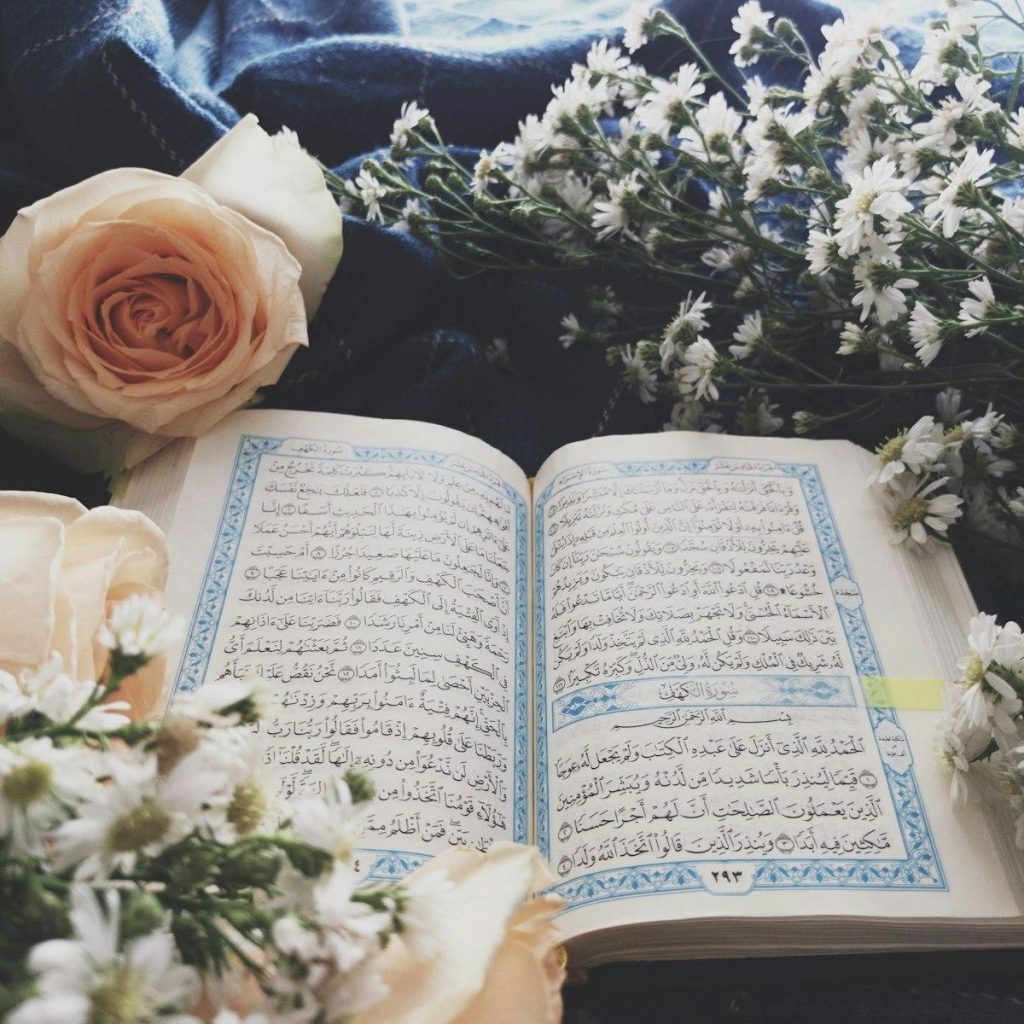
Every parent wants their child to grow up with strong values, a kind heart and a clear sense of who they are. For Muslim families, there is no better foundation for this than the Holy Quran. Quran education for children is not only about learning to read beautiful words. It shapes how a child thinks, behaves and connects with Allah for the rest of their life.
In this article, we look at why Quranic education matters so much in the early years, and how parents and teachers can work together to make it a joyful, lasting part of a child’s life.
1. It builds a personal connection with Allah
The Quran is the word of Allah. When a child learns to read and understand it, they begin to build a personal relationship with their Creator from a young age. Simple verses about Allah’s mercy, His care for His creation and His love for those who do good help children see Allah as close, kind and always watching over them.
Children who grow up with this connection often find comfort in the Quran during difficult moments later in life. What begins as a short daily lesson can become a lifelong source of strength and peace.
2. It nurtures good character and manners
The Quran teaches honesty, kindness, patience, gratitude and respect for parents. It reminds us to speak gently, to be fair, and to care for those in need. When children learn these lessons alongside their recitation, Islamic manners become part of who they are, not just a list of rules.
The Prophet Muhammad (peace be upon him) was the living example of the Quran. Teaching children about his character, alongside the verses they learn, helps them understand how the Quran is meant to be lived every day: at home, at school and with friends.
“The best of you are those who learn the Quran and teach it.” (Sahih al-Bukhari)
3. It develops spiritual awareness from a young age
Children are naturally curious. They ask big questions about the world, about right and wrong, and about where we come from. Quranic education gives them answers rooted in faith, and helps them develop an awareness of Allah in everything they do.
This spiritual awareness, known as taqwa, gently guides a child’s choices. A child who knows that Allah sees and hears everything is more likely to be truthful, to apologise when they make a mistake, and to choose kindness even when no one else is watching.
4. It strengthens Islamic identity
Many Muslim children today grow up in busy, fast-moving environments, attending English-medium or international schools, or living abroad far from extended family. In this setting, a strong Islamic identity is more important than ever.
Regular Quran classes give children a sense of belonging. They learn that they are part of a global community of believers who share the same Book, the same prayers and the same values. This confidence in their identity helps them stay grounded as they grow older.
5. It supports learning skills and discipline
Learning to read the Quran with Tajweed requires focus, careful listening and regular practice. These habits benefit children well beyond the madrasa. Many parents notice that consistent Quran study helps their children with concentration, memory and a sense of routine.
Memorising even short surahs trains the mind, and the sense of achievement when a child completes a surah or reaches a new level builds confidence and motivation.
6. It brings reward and blessings
Every letter of the Quran that a child reads carries reward, and every effort they make is valued by Allah. The Prophet (peace be upon him) taught that a person who recites the Quran fluently will be with the noble and righteous angels, while the one who struggles with it and keeps trying will receive a double reward (Sahih al-Bukhari and Sahih Muslim).
This is a beautiful encouragement for children and parents alike: progress matters more than perfection. Every child, at every level, is on a valuable journey.
How parents can support Quranic education
Teachers play an important role, but parents are a child’s first and most important teachers. Here are a few simple ways to support your child’s learning:
- Make Quran time consistent. A short daily session is more effective than a long one once a week.
- Be a role model. Children copy what they see. Let them see you reading the Quran too.
- Celebrate small achievements. Praise effort, not only results.
- Talk about meanings. Share the stories and lessons behind the verses your child is learning.
- Stay in touch with teachers. Regular communication helps you understand your child’s progress and needs.
Choosing the right learning environment
The environment in which a child learns the Quran shapes how they feel about it. A caring, structured and encouraging setting helps children associate the Quran with warmth and positivity rather than pressure.
At Madrasathud Dar An Nur, an English-medium Quran madrasa in Negombo, we focus on compassionate teaching and structured learning, so every child can grow in knowledge, faith and character. We also offer live online Quran classes for Sri Lankan families living anywhere in the world.
A foundation for life
Quranic education is one of the greatest gifts a parent can give a child. It nurtures faith, builds character, develops spiritual awareness and lays a meaningful foundation for life, in this world and the next.
If you would like to begin your child’s journey with the Quran, we would love to hear from you.
Written by the Dar An Nur Team
Madrasathud Dar An Nur is an English-medium Quran madrasa in Negombo, Sri Lanka, nurturing young Muslims in person and online.
- Begin the Journey
Give Your Child the Gift of Quranic Knowledge
In-person classes in Negombo, Monday to Thursday, 3:00pm – 6:00pm, and live online classes on Zoom for families anywhere in the world.

- Keep Reading
More From the Dar An Nur Blog
How Parents Can Encourage Children to Read the Quran Daily
Practical ways to create a regular routine, set achievable goals and make Quran reading a...
Read article
What Is an English-Medium Madrasa?
How English instruction helps children understand Quranic and Islamic lessons, and what parents can expect.
Read article